Wisdom teeth are the last set of molars to come in, usually in your late teens or early twenties. For some people, they arrive without problems. But for many, wisdom teeth can cause serious discomfort, including headaches and ear pain.
If you’re experiencing persistent jaw pain, headaches, or earaches, it might be more than coincidence — your wisdom teeth could be the culprit.
Ready to talk about your wisdom teeth? Book a consult with Dental Enhanced or call (725) 765-9500.
How Wisdom Teeth Can Cause Headaches
When wisdom teeth are impacted — meaning they don’t have enough room to grow — they can:
- Push against neighboring teeth
- Irritate your jaw joint (temporomandibular joint, or TMJ)
- Cause gum inflammation and swelling
These issues can trigger tension headaches, jaw pressure, or even pain radiating to the neck and temples.
Tip: If headaches are recurring and accompanied by jaw stiffness, swelling, or soreness behind your molars, check with your dentist. Early intervention can prevent prolonged discomfort.
How Wisdom Teeth Can Cause Ear Pain
Ear pain linked to wisdom teeth usually comes from:
- Irritation of the trigeminal nerve, which runs from the jaw to the ear
- Swelling near the jaw putting pressure on ear canals
- TMJ strain caused by misaligned teeth
Warning sign: Ear pain without typical ear infection symptoms (discharge, fever, or ringing) may point to dental issues.
Signs Your Wisdom Teeth Might Be the Cause
Watch for:
- Tender gums near the back molars
- Swelling around your jaw or cheeks
- Headaches or pressure behind your eyes
- Earaches that don’t respond to typical treatments
- Trouble opening your mouth fully
Patient Tip: Many men notice relief within days after proper evaluation and treatment.
Realistic Relief Timeline After Treatment
Timeframe | What to Expect | Notes |
Days 1–3 | Reduced pain with rest, soft foods, and meds | Cold compresses help swelling |
Week 1 | Headaches and ear pain start improving | Stick to soft foods and gentle oral hygiene |
Weeks 2–4 | Most discomfort gone, normal eating resumes | Follow-up with your dentist if swelling persists |
1 Month+ | Recovery as symptoms settle | Return to normal activity and exercise |
Quick Tips to Reduce Discomfort
- Apply a cold compress for 10–15 minutes at a time
- Take over-the-counter pain relievers as recommended
- Eat soft, nutrient-rich foods
- Maintain gentle oral hygiene to avoid infection
What Relief Can Look Like
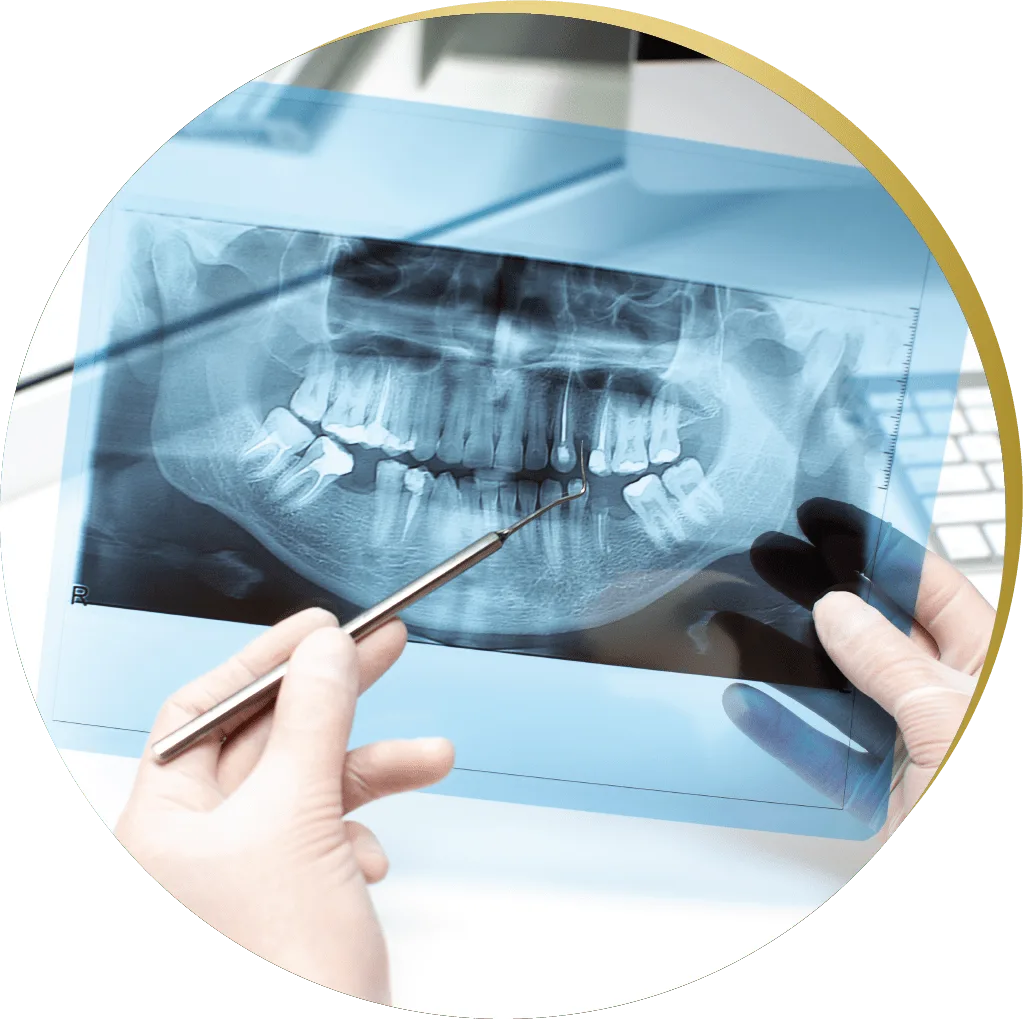
When wisdom teeth are the source of jaw pain, headaches, or ear pain, removing them often addresses the problem at its root. Many people notice the discomfort easing as they heal. An exam and X-ray can confirm whether your wisdom teeth are the cause.
When to See a Dentist
Persistent headaches, jaw pain, or earaches warrant professional evaluation. A dentist or oral surgeon can:
- Take X-rays to check wisdom tooth alignment
- Determine if teeth are impacted
- Recommend removal if necessary
Early treatment can prevent chronic pain, infection, or TMJ complications.
Conclusion
Headaches and ear pain may not seem like obvious dental problems, but wisdom teeth are often the hidden cause. Impacted or misaligned teeth can put pressure on your jaw, nerves, and gums, leading to ongoing discomfort. Getting checked early helps prevent bigger issues and provides fast relief. If you’ve been dealing with stubborn pain, scheduling an evaluation with a dentist is the best next step toward feeling better.
At Dental Enhanced in Las Vegas, we can check if your wisdom teeth are impacted and recommend the right treatment. Early action can save you from pain and complications later.
Questions about wisdom teeth or an extraction? Our team at Dental Enhanced can take a look and walk you through your options.
Book a Consultor call (725) 765-9500
Schedule Your Wisdom Teeth Consultation
Today!
Get expert care, honest answers, and a personalized treatment plan—all in one easy visit. Book your wisdom teeth consultation now.