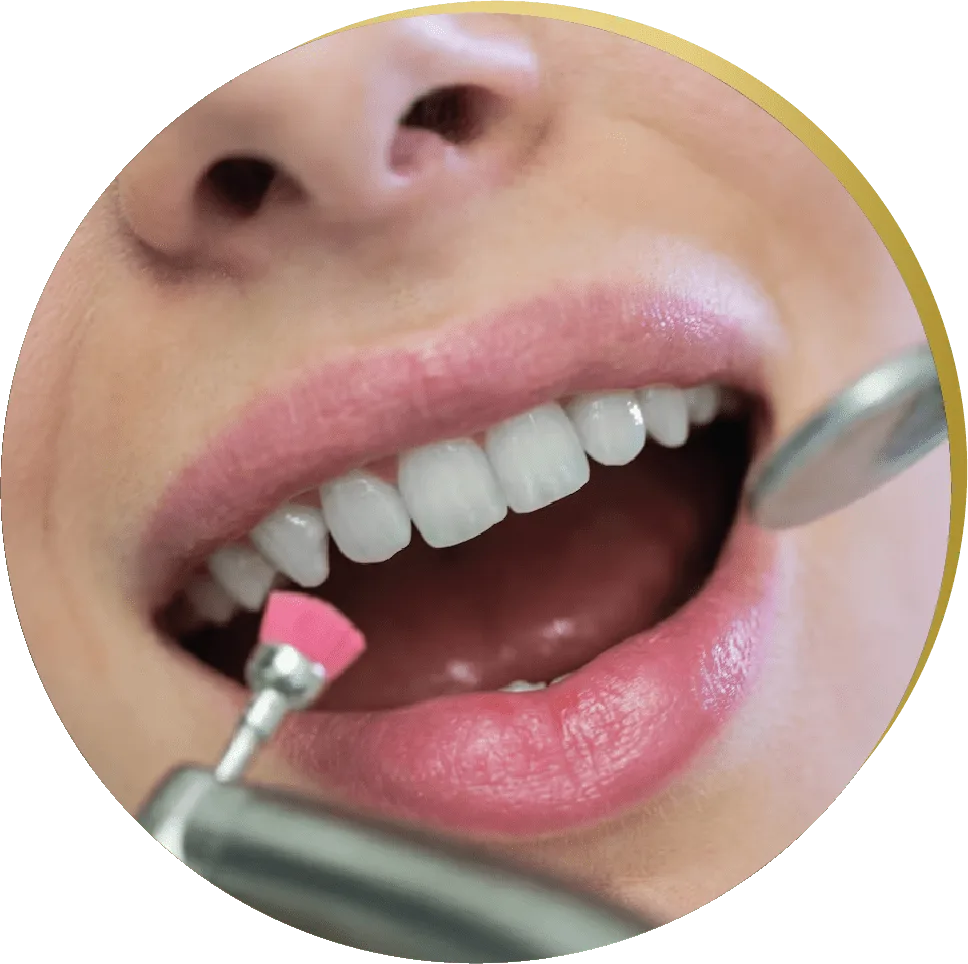
When a tooth is damaged by decay or injury, your dentist may recommend either a filling or a crown. Both treatments aim to restore function, protect the tooth, and prevent further damage — but they’re used in different situations. Understanding the differences between crowns and fillings will help you make an informed decision for your dental health.
What Is a Dental Filling?
A dental filling repairs small areas of tooth decay or minor damage. It restores the tooth’s structure and prevents cavities from spreading.
Materials Used
- Composite resin (tooth-colored): Most popular for front and visible teeth.
- Amalgam (silver-colored metal): Durable, often used for molars.
- Gold or porcelain: Less common, but long-lasting options.
Procedure Overview
- The dentist removes the decayed or damaged part of the tooth.
- The area is cleaned to prevent bacteria from being trapped.
- The filling material is applied, shaped, and hardened.
Time required: Usually one visit — patients can resume normal activities immediately.
When Fillings Are Recommended
- Small to medium cavities
- Early signs of tooth decay
- Minor chips or wear
Fillings are best when most of the tooth structure is still healthy.
What Is a Dental Crown?
A dental crown is a custom-made cap that covers the entire tooth. It restores strength, function, and appearance when the tooth is too damaged for a filling alone.
Materials Used
- Porcelain or ceramic: Natural look, ideal for front teeth.
- Porcelain fused to metal: Strong and aesthetic, often used for molars.
- Metal alloys or gold: Extremely durable, ideal for back teeth.
Procedure Overview
Getting a crown usually takes two visits:
- First Visit:
- Tooth is reshaped and impressions are taken.
- A temporary crown is placed for protection.
- Second Visit:
- The permanent crown is cemented in place.
- Adjustments are made for comfort and bite alignment.
When Crowns Are Recommended
- Large cavities that can’t be filled
- Severely cracked, broken, or worn teeth
- After a root canal treatment
- Teeth with weakened structure that need protection
Crowns act like a protective helmet, giving a compromised tooth new life.
Key Differences Between Crowns and Fillings
Factor | Filling | Crown |
Extent of Damage | Minor to moderate decay | Severe decay or structural damage |
Procedure Time | One visit | Two visits (sometimes more) |
Durability | 5–10 years | 10–15 years or longer |
Aesthetics | Composite blends in, but limited | Porcelain crowns look very natural |
Strength | Restores small areas | Restores full strength and function |
Cost | $150–$400 per tooth | $800–$2,000 per tooth |
Cost and Insurance Considerations
- Fillings: More affordable, often covered at 80–100% by insurance.
- Crowns: Higher cost, typically covered at 50%, leaving more out-of-pocket expense.
While crowns are more expensive, they also provide longer-lasting protection and prevent future costly dental problems.
Pain and Recovery
- After a Filling: Mild sensitivity to hot, cold, or sweet foods is common, usually resolving in a few days.
- After a Crown: Temporary crowns may cause slight discomfort. Once the permanent crown is placed, soreness usually fades within days. Avoid sticky or hard foods during recovery.
Which Is Right for You — Crown or Filling?
- Choose a filling if the cavity is small and most of the tooth is still healthy.
- Choose a crown if the tooth is cracked, weakened, or has a large cavity that can’t be safely filled.
Other factors, like the tooth’s location (front vs. molar), your budget, and your long-term goals, will also influence the decision.
The Bottom Line
Fillings and crowns are both excellent treatments — the right choice depends on the extent of tooth damage:
- Fillings: Quick, affordable, best for small repairs.
- Crowns: Durable, protective, best for major damage.
Your dentist will help you decide which treatment is best for your specific situation.
Frequently Asked Questions
What’s the difference between a crown and a filling?
A filling repairs small cavities or minor damage, while a crown covers the entire tooth to restore strength when the damage is severe.
When do you need a crown instead of a filling?
You’ll need a crown if your tooth is cracked, weakened, or has a large cavity that can’t be fixed with a filling.
Are crowns more expensive than fillings?
Yes. Fillings usually cost $150–$400, while crowns range from $800–$2,000 per tooth.
How long do crowns and fillings last?
Fillings last about 5–10 years, while crowns can last 10–15 years or longer.
Which looks more natural, a crown or a filling?
Both can look natural. Composite fillings blend into the tooth, while porcelain crowns fully cover the tooth and mimic natural enamel.
Is getting a crown painful?
No, the procedure is done with local anesthesia. Mild discomfort afterward is normal but usually resolves in a few days.
Which is faster: a filling or a crown?
Fillings are faster — usually done in one visit. Crowns take at least two visits because a custom crown has to be made.
Can I go back to normal after a filling or crown?
Yes. Most people return to normal right after a filling. With crowns, avoid sticky or hard foods until the permanent crown is placed.
Which is better for front teeth?
For small cavities, composite fillings work well. For damaged or discolored teeth, porcelain crowns are usually the best choice.
How should I care for fillings and crowns?
Brush twice daily, floss once a day, and see your dentist regularly. Avoid chewing ice or hard foods on restored teeth.
Can crowns and fillings prevent future cavities?
Yes, they protect weakened areas of the tooth from further decay, but proper oral hygiene is still important.
Restore Your Smile with Confidence!
If you’re unsure whether a filling or a crown is right for you, our dental team is here to help. Schedule a consultation today — we’ll examine your tooth, explain your options, and recommend the most effective treatment to protect your smile.